Always Learning

Freewheels versus cassettes, chainring dimensions and BCD (I’ll explain), e-bike chains versus regular bicycle chains, mechanical versus hydraulic disc brakes, disc brake pads, handlebar dimensions (I’ll explain this too in a moment)… this is harder than servicing computers because computer manufacturers mostly comply with industry standards and form factors. Bicycle manufacturers, on the other hand, are all over the place. But, on the flip side, I’m a ‘problem solver’, so this sort of chaos actually makes the sport of e-bike building interesting for me!

So what’s happening? First, my Build #3 mid-drive is popping the chain off in the high gears. Chain alignment problem I think, so I’m sorting that one out with a different chain ring, rear cassette (changing out the 9-speed cassette for a 7-speed cassette plus shifter), and e-bike-rated chain. We’ll see how that goes and if all the effort is for naught. (Note: It was – for naught)

Build #2 is getting a new controller, display, and throttle (arrived yesterday and will be installed today). I also removed the front derailleur and (warped) chainring and will install the new chainring/crank arriving today. So two lessons learned here:

  1. The 52 tooth chain ring I purchased first doesn’t fit. The chain stay on this frame extends out too far and the chain stay interferes with the large chainring. I’m not sure how I would have tested this in advance of buying the large chainring, but apparently I can only use chainrings with smaller outer dimensions, OR one with a different offset. SO the new chainring coming today will have both and we’ll see how that works out. Note: for an e-bike, having three speeds on the front chainring isn’t needed due to the extra power provided by the motor, so eliminating the complexity of that and the associated derailleur seems/seemed like a good idea. (And it was – a good idea and worked perfectly! Success…)
  2. When buying a chainring, modularity seemed like a good idea, so I’m buying a crank with a 104 BCD (Bolt Circle Diameter) bolt spacing that allows me to substitute other chainrings that conform to this bolt pattern. Whether or not this new crank and chainring system works for my application, I’ll find out soon enough. The crank needs to clear the pedal assist sensor, and the chainring needs to clear the chain stay. Fingers crossed! It just might work out… PS – There are MANY crank bolt patterns and sizes, so this particular lesson took a while to figure out which was best for my application.

Replacing the rear cassette on Build #3 will happen today, so we’ll see how that goes. It has been a while since I have had to do this. I was rebuilding freewheels all the time when I was racing bicycles at Penn State, but that was a while ago. The technology has changed a bit. (Failure: The new cassette was narrower than the original and I didn’t have the right spacers, so I’m sticking with the original 9-speed cassette and shifter)

And the last thing I’ll cover for today’s post is the handlebar (and handlebar stems). I like ‘adjustable’ handlebar stems and am having good luck with this one. But there are two dimensions when buying a handlebar stem to be aware of. First is the handlebar diameter 31.8mm (1.25”) at the center of the handlebar where it attaches to the handlebar stem, and second is the front fork stem diameter 28.6mm (1-1/8″). Get out your trusty digital caliper and make sure you know what your specific measurements are. Also, how wide do you want your handlebars to be? I purchased this handlebar ’cause it was a really good price and it fit the stem I already had. Two problems:

  1. It was wider than I had anticipated so I cut two inches off either end with a pipe cutter. After a bit of cleanup, the handlebar was (almost) perfect.
  2. Here’s the ‘almost’ part. The taper from the center of the handlebar continues out some distance (due to the wider handlebar design), making installation of things like handlebar-mounted bells and lights problematic. Many of these accessories are designed for a certain handlebar outer dimension. Still, I like this handlebar and I think it’ll work fine, but I’m having to adapt to its design now that it has been cut down for my application.

Regarding brakes, I’m still figuring this one out. Rim brakes (Build #3), mechanical disc brakes (Build #2), a mix of rim and hydraulic disc brakes (Build #1), disc size, brake pad composition, etc. are all being used. I’ll have to get back to you on this. It gets complicated…

**update**

And what’s with this “narrow-wide” chainring thing?

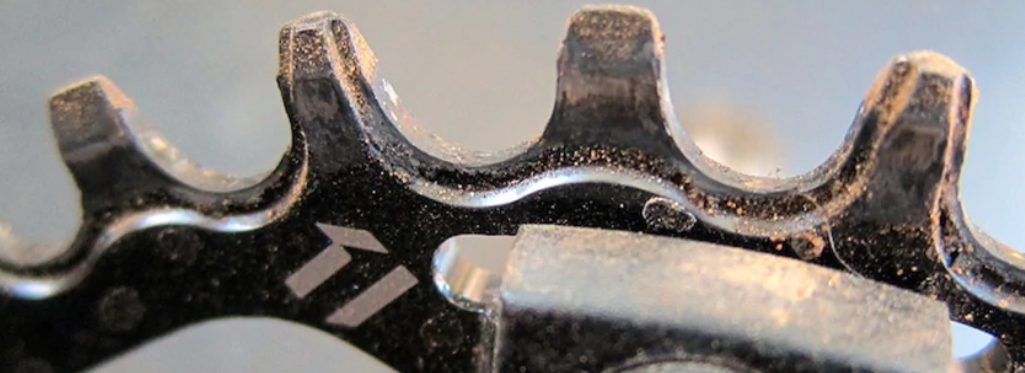
The term “narrow wide” chainring describes the shape and profile of the individual teeth driving the chain. Each tooth alternates thickness, narrow wide narrow wide, all the way around the ring. With an old school traditional chainring, all the teeth would be considered narrow with small differences in thickness between brands.” (source)

The sole purpose of the narrow wide chainring is chain retention. The narrow wide tooth pattern keeps the chain from moving left to right and eventually popping off the chainring while riding.

And there’s more: Did you know that there are different chains depending on how many sprockets your freewheel or cassette has? I hadn’t really given that much thought, but now I have to. Some chains, like the Zonkie I use a lot, say they’re made for 6, 7, or 8 sprockets, and I find they work well for my 7-sprocket rear-hub e-bikes. However, Build #3 is a mid-drive that uses the existing 9-sprocket cassette which means I should be using a chain like this one, designed for 9 sprockets. Plus, when running a mid-drive kit, a chain designed to handle the abuse a mid-drive can dish out is essential. This particular 9-speed KMC chain looks like it’s up to the task. (And it was. It shifts well, is quiet, and stays on the Lekkie narrow-wide chain ring really well. This seems to be the perfect chain for my application!)

Posted in Uncategorized | Comments Off on Always Learning

Build #3 – First Test Drive

Well, that didn’t go as well as I had hoped. I tested a few different PAS levels (0-4). I had set the controller to 9 levels, so didn’t go beyond 4 because I was having some other technical issues. What I learned with this mid-drive Bafang motor is that the PAS level effects the power output for both the pedals and throttle. I think this is a good design, but just takes some getting used to. Also, the optional shift sensor works great to reduce power from the motor during shifting. This also is a great feature and should significantly improve drive line wear.

The problem I’m having though is the chain jumps off the front chainring when shifting into the top 3 high gears (smallest outer gears). I’m running a 9-speed cassette and I’m convinced that the chain angle between these gears and the chainring is such that the chain simply cannot track on the chainring so it pops off. But what to do?

  • add spacers to the Bafang motor so it lines up better with the rear cassette – this is a lot of effort and it might not work
  • replace the default chainring with one that doesn’t go in so close to the chain stay – I need to research this option to see what’s available, and it still might not work
  • replace the rear cassette and shifter, and maybe the chainring too for better alignment – besides, who really needs 9 gears on the rear cluster anyway? – more research required
  • go with a single speed rear gear, or something that has a lot better alignment with the chainring – this would put a lot more load on the motor on PA hills – not a good idea
  • adjust chain tension via the rear derailleur by changing derailleur angle and/or removing chain links – need to explore this option, but will hold off until I decide what to do about the chainring
  • do nothing – they say this is always an option – I would adjust the derailleur so it can’t go down to the 3 highest (smallest) gears – doable but not optimal

Other than the chain jumping the chainring, I think I’m going to like this mid-drive system once I get used to it. A little more tinkering and I think I’ll have this sorted out. In the meanwhile, my rear-hub e-bike rocks and I have enjoyed all 500 miles I put on it since building it last year…

**Update**

I opted for the ‘buckshot’ approach versus the scientific method, meaning I’m changing a bunch of things at the same time to sort out my chain derailment problem, including:

  • new 7-speed 12-28 tooth cassette and 7-speed shifter – this change also lets me use my motor-cut-out brake lever on the rear brake
  • new e-bike rated KMC chain
  • new 44 tooth Aluminium BBSHD Chainring – 186mm diameter & 7mm offset – this replaces a 46 tooth chainring with a 19mm offset. In theory (if the offset is measured the way I think it is) this would move the chainring 12mm further away from the chainstay (original chainring has a 19mm offset and chain derails off the outside of the chainring in the 3 high gears with a 9-speed cassette).

Word has it that the standard steel chainring that comes with the BBSHD motor is ‘junk’, so it’s likely that just changing out the chainring with a higher quality one would have fixed the problem.

My next update will report just how well these changes worked to fix my problem. Stay tuned…

Posted in Uncategorized | Comments Off on Build #3 – First Test Drive

Vocabulary

The only two terms listed above that I would want to change are ‘cogset’ and ‘shock absorber’. Although ‘cogset’ is technically accurate, I would refer to this gear cluster as either a ‘cassette’ or ‘freewheel’. There is a difference as explained here. Also, ‘shock absorber’ is what a front fork might have if it’s designed with a telescopic or suspension components (as most ‘mountain bikes’ are). There’s a good description of fork technologies described here.

One other item to note regards front and rear brakes. So often these days, and especially when we’re talking about e-bikes, you’ll see disc brakes which are discs mounted on the wheel hubs with brake calipers that provide the friction necessary to stop the bicycle. Disc brakes are often preferable to older rim brakes due to their stopping power, though when building your own e-bike, you have the choice to keep the older rim brakes or upgrade to discs.

Regarding brakes, my Build #1 bike uses a disc on the front (where the majority of your stopping power will be) and a rim brake on the rear. Build #2 uses disc front and rear, and Build #3 uses rim brakes front and rear. It’s totally you choice what’s going to work best for you and your bike.

So now let’s add electric bicycle components to our list. I’m going to borrow a few terms from Rad Power Bikes’ extensive glossary found here:

Ah Abbreviation for “amp-hour”, which is a unit of electric charge that can be delivered by a battery.
controller A large, black rectangular component that acts as the “brain” of the bike. The controller allows electrical components to communicate and controls the motor.
direct drive motor A type of motor that has no gear reduction. It is more efficient at higher speeds, slightly slower when starting, and slightly quieter when riding. See also “gear reduction” and “geared motor.”
ebike Short for “electric bicycle”—a bicycle that can use electricity, stored in a battery, to propel the bicycle.
geared hub motor A geared motor located on the hub. See also “geared motor,” “gear reduction,” and “hub motor.”
hub motor A motor located at the center of a wheel. Contrast with “mid-drive motor.”
hydraulic brake A brake system in which hydraulic fluid, not a mechanical cable, is used to transmit the brake force from the brake lever to the caliper to slow the bike.
LCD display The display on most models that shows various bike and trip details.
lithium-ion battery An advanced, rechargeable battery technology that has a high energy density (a lot of capacity in a compact battery), no memory effect (the battery won’t be damaged with frequent use/charging), and low self-discharge (the battery will maintain its charge when not in use).
mechanical brake A brake system in which braking force is transmitted by a cable mechanism.
mid-drive motor A motor located at the center of a bike, typically between the pedals. Compare to “hub motor.”
motor cutoff A feature that cuts off all power to the motor when a brake lever is squeezed.
PAS Short for “pedal assist system,” a system that, when selected at the display, deploys power to the motor based on the rider’s pedaling.
pedal assist A system that speaks to the motor to provide power based on the rider’s pedaling.
pedal assist sensor The electronic device used to detect a rider’s pedaling. See also “pedal assist.”
regenerative braking A method for converting part of the braking energy into a small amount of battery capacity.
Schrader valve A common type of pneumatic tire valve.
step-through A frame design that allows a rider to mount the bike with a low step in front of the seat rather than swinging a leg over the seat/ back of the bike.
throttle A part at the handlebar that allows the rider to engage motor power without pedaling.
torque A rotational force. Used to describe tightening a component or hardware to a specific value.
volt Abbreviated “V.” The unit of electrical potential energy, or the difference of potential that would drive one amp of current against one ohm of resistance.
watt A measurement of power.
watt hour A measurement of energy used to describe battery capacity.

Now for a brief tutorial about power ratings of e-bike motors and why it’s important to make sure you’re buying the right motor and battery for your application. We spoke before about rear hub versus mid-drive motors. There’s a cost difference, and as I have yet to prove, there might be a difference in how the e-bike performs. I promised to let you know my thoughts in this regard once the weather warms a bit. But for this discussion I want to focus on the technical aspect of motor and battery choice.

Let’s start with what led to my choice of 48v 1000w systems. Power, range and cost were my three primary considerations. 36v (less power) and 52v (too expensive) fell off the list. 750w wasn’t much less expensive than 1000w, and I didn’t think I needed to go to 1500w+ for my application. What I didn’t factor into my decision was the ‘legality‘ of 1000w versus 750w systems. The might be a problem later on if they start enforcing power limits here.

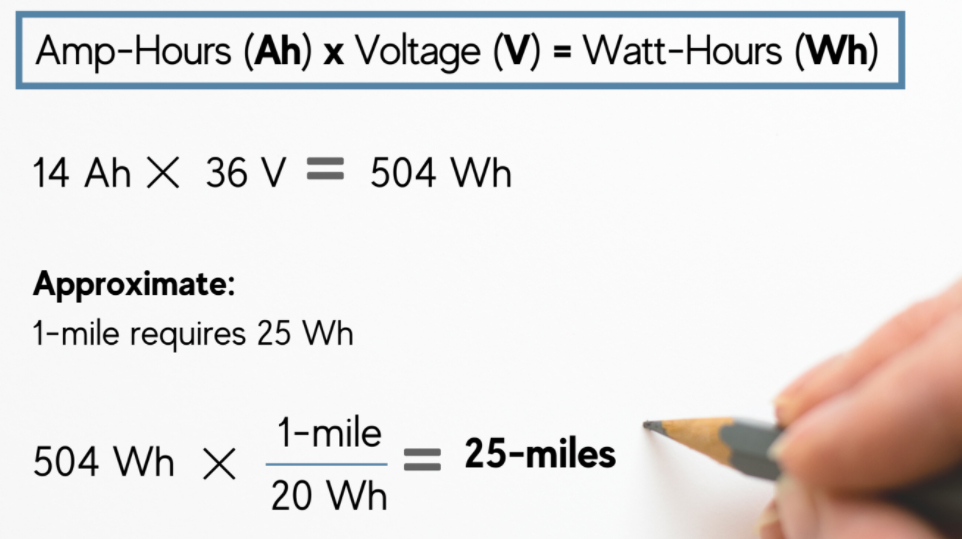
Then when it came to batteries, I was just looking for a battery that had a good reputation and met my motor specs. I’m getting really good range out of my Joyisi 12.5ah battery, so feel that was a good choice for Build #1. For not that much more money the Joyisi 14.5ah battery is going on Build #3. Where I’m pushing 65 miles per 100% charge on the 12.5ah battery with the rear drive motor I’m hoping for even better range with the 14.5ah battery and the mid-drive motor. We’ll see and I’ll report my findings here. Keep in mind that I do a lot of pedaling when riding my e-bikes, so as they say, “your mileage WILL vary”.

I had also mentioned in a previous post about the importance of charging your battery to only 80% for the majority of its charge cycles. My rationale was to prolong battery life. Also, never store your battery for a long period of time (like over the winter) at either full charge or fully discharged. Either condition is bad for the battery. So, back to battery capacity, if you agree with usually charging your battery to 80%, then it makes sense to buy a higher capacity (aka 14ah or more) to get the best range when not charging to 100%. That’s my rationale and I’m stickin’ to it…

Motor Advice

How to Select A Motor For An Electric Bike

Battery Advice

How to choose the right battery for your electric bike

Posted in Uncategorized | Comments Off on Vocabulary

Changes to Builds 2 and 3

Build #2, my beautiful RAT bike, is going through a transformation. I wasn’t happy with throttle and controller setup, controller placement on the bike, or the front derailleur and crank set, so I tore those parts off and am waiting for new parts to arrive from AliExpress in China (and waiting, and waiting – parts are cheaper when ordered directly from China, but patience is a MUST). I’m also swapping the battery I got with the mid-drive kit for the Joyisi battery on Build #2 since the mid-drive battery, although a similar spec, is a slightly smaller form factor and should permit me to mount the controller bag above it, under the top tube. That’s the theory which will be easy to test since I already have these parts.

One other useful factoid is I’m trying out a single-speed 48 tooth front chain ring. This eliminates the need for the front derailleur (a good thing), but it’s also a fairly big gear. My rationale for making this change is to allow me to continue to pedal at higher speeds. It might turn out to be too much gear, but it’s one of those things that I need to try out to know for sure. I expect it’s going to work perfectly – always the optimist!

Regarding Build #3 (my amazing Gary Fisher mid-drive build), all I have left to do is adjust my new brake pads and brakes, and the rear derailleur, mount a new 48v 14.5ah Joyisi battery arriving next week, and I’m done. The mid-drive motor counted up perfectly. I mounted brackets and crank arms properly without paying attention to how they should actually be mounted (that was just dumb luck, but I never tighten things down until I know things have been done correctly, so no harm done).

Also, something I learned with this build is you can’t perform wire management in a COLD garage! Most of the connectors have itty bitty wires and water-tight connectors. Trying to plug these together when the plastic is cold is impossible. Move your bicycle into a warm space so the plastic parts are more pliable, then connect these wires. You’ll thank me for this advice by not bending and braking your connectors. Also, be sure to properly route the cables BEFORE connecting them. Disconnecting and reconnecting these fragile parts is just not a good idea.

Also coming from China* is a 2-pin adapter cable (*estimated between Tue. Mar. 1 and Mon. Apr. 25 – patience!) that connects a 6v light output from the Bafang motor to a front headlight I purchased from JohnnyNerdOut. Why the headlight didn’t come with this specific connector I don’t know, but sorting this out with the right adapter is an easy fix, and allows me to practice my soldering skills…

** Update **

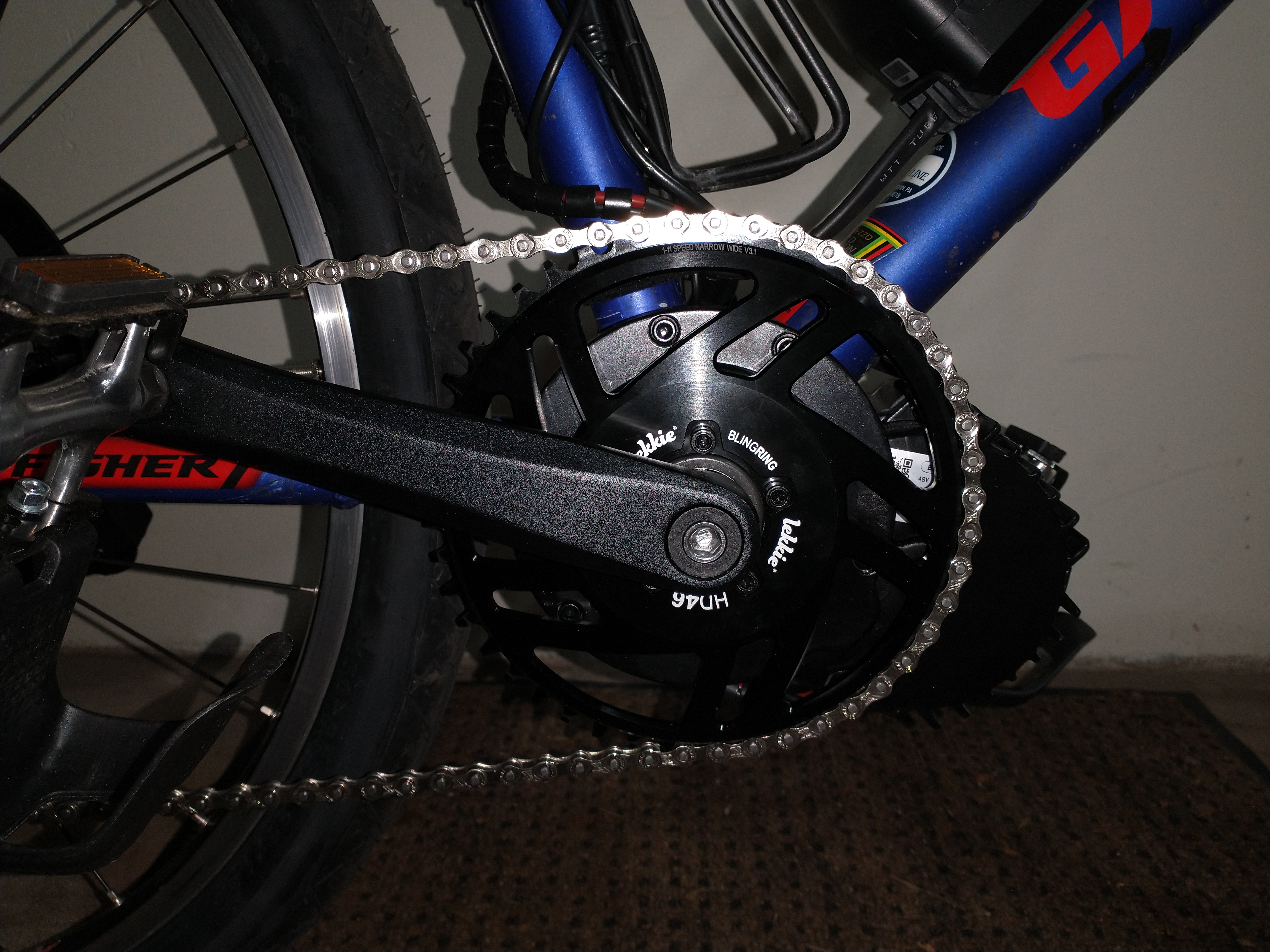
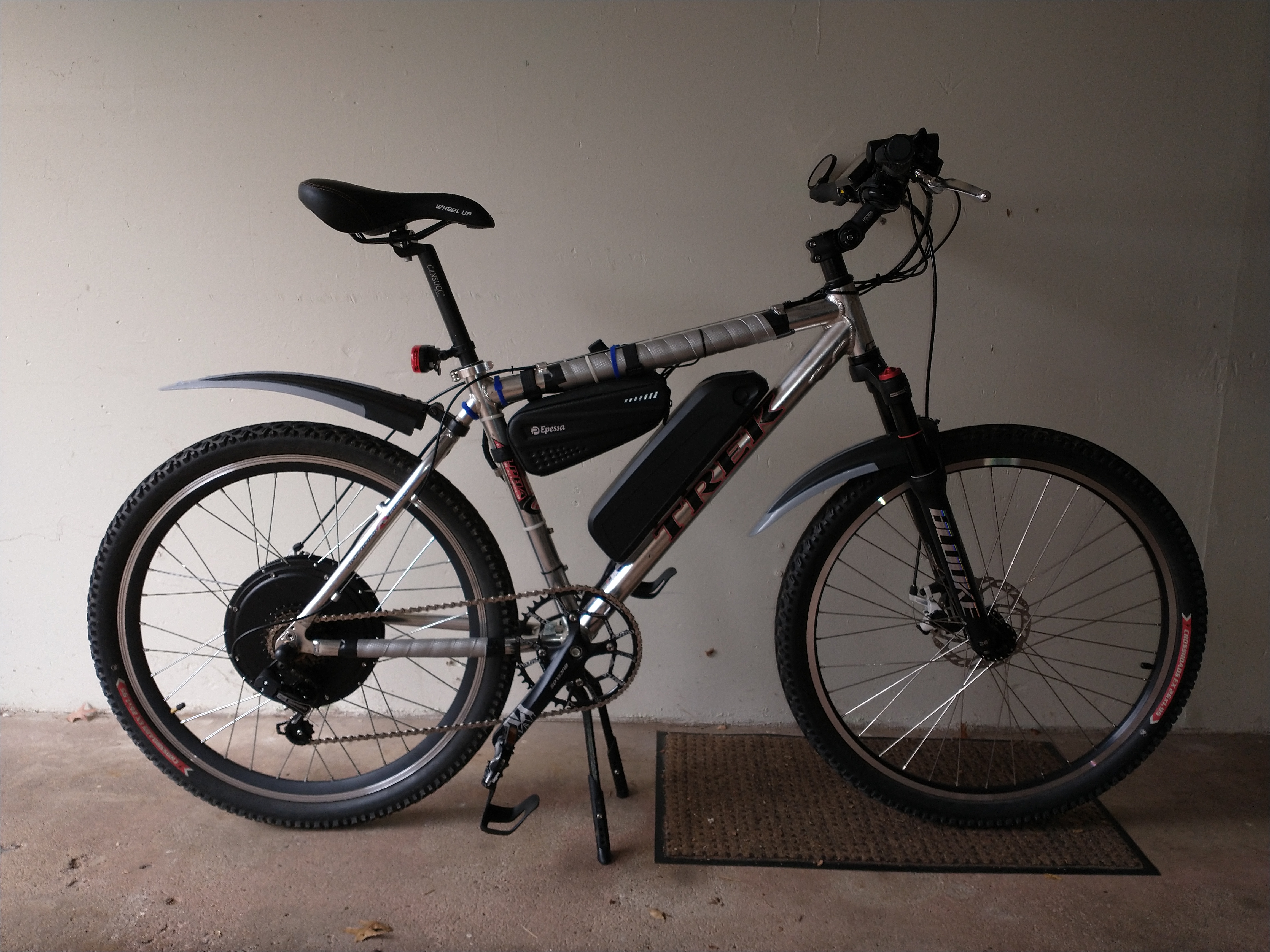
The 2-pin headlight adapter arrived and has been wired into the system on Build #3. Also, after a bit of an ordering disaster (I checked one of my suppliers off my future orders list), I purchased a Lekkie chainring from JohnnyNerdOut (still very much on my supplier list) that I’ll talk about in a future post. The photo shown above has this new chairing installed.

** Update **

Yup, yet another update! If you ever decide to build your own e-bike, you’ll realize the building process never ends. First, my chains jumps a bit on the rear cluster in the highest gears (smallest diameter cogs on the rear gear cluster). Thinking this might still be a minor chain alignment problem, I added a 2mm spacer to the Lekkie chain ring and it made all the difference in the world! Chain alignment is perfect now… And

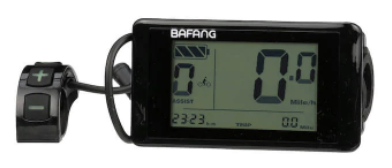
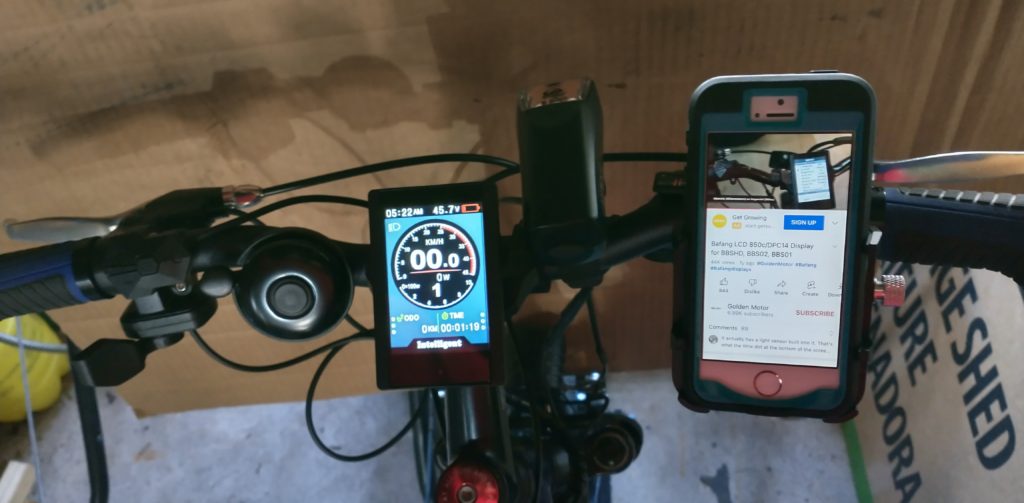
I also decided to upgrade my C961 display with a 850C display. Below I show pictures of both, and I think the change will be worth the ~$85 the upgrade set me back. Not only is the new color display a more attractive and functional than the original black and white display, but I’m hoping it packs a few new features the old display was lacking, like being able to power on my headlight. For those interested in learning more about this BBSHD-compatible display, this video covers the topic really well: https://www.youtube.com/watch?v=12OLFqD1bFY.

Before

Bafang C961 LCD display

After

Image 111 - P850C LCD Colorful Display BAFANG BBS01 BBS02 BBSHD Mid Drive Motor Speedmeter
Here’s a video about programming your 850C display (https://www.youtube.com/watch?v=12OLFqD1bFY)

And a picture of my handlebar with this new display installed:

Oh, and by the way, when I was visiting my son recently, he had installed a GUB smartphone mount on his Rad e-bike. I thought it looked like a really good product for a very reasonable price, so of course I had to have one. Here’s a picture of the GUB. It’s spectacular!

Posted in Uncategorized | Comments Off on Changes to Builds 2 and 3

E-Bike Transport & Security

I’ll keep this post somewhat brief, but need to address two pressing issues when it comes to moving e-bikes around, and keeping them from walking off without your permission.

Transport

E-bikes weigh more than regular bicycles because of the additional weight of the motor and battery. The Ride1up Roadster V2 mentioned in a previous post is the lightest I have seen at 33 pounds, but e-bikes can weight up to 70 pounds. Not only do you need to factor this additional weight into how you plan to move the bike around, but also how you intend to transport it. The first thing I do when transporting an e-bike is remove the battery (if possible). But more important than that is to understand the weight limitations of your bicycle rack. I have a rack designed for regular bicycles (this one with a load capacity of 80lbs). This ‘hitch mount platform’ is fine for a single e-bike (with battery removed), but is pretty marginal for two e-bikes. Consider the actual weight experienced by the rack when you go over a bump (like a speed bump). This could well exceed the rated capacity with the 40-pound bikes on the rack.

Better is to purchase a rack that’s actually designed for e-bikes. They are a LOT more expensive, but might be necessary for your application. Here’s a link that provides some sage advice:

https://ebikeshq.com/car-racks-for-electric-bikes-trikes-fat-tire-ebikes/

Four racks from their list;

Sport Rider hitch mounted rack 

Saris Freedom Bike Hitch

Thule EasyFold XT 2 Hitch Bike Rack

YAKIMA – HoldUp EVO 2″ Hitch Mounted Tray Bike Rack, 2 Bike Capacity

Security

E-bikes are expensive and have become a favorite target for individuals who might not have your best interests in mind. I am not an expert on various lock choices (though these folks seem to be). All I want to point out is that your precious e-bike WILL disappear if you don’t take proper precautions. I carry a cable lock whenever I plan to leave my e-bike unattended, even for a short period of time. You should do to same…

Posted in Uncategorized | Comments Off on E-Bike Transport & Security

My Top 5 E-Bikes, plus 1

Having waded through all the videos from the last two posts, here are my ‘Top 5 Affordable E-Bikes’, plus a DIY that probably trumps them all (in order of least expensive to most expensive):

Ride1up Roadster V2 $945 (free shipping)

Reminds me of my bicycle racing days with the Penn State team. I always rode a single speed bike during early season training. Except my training bike was A LOT more expensive than this. This e-bike looks like great fun and nobody is going to know it’s an e-bike. Perfect!

Gen 3 Flex $1,600 (free shipping)

Appears to be a solid package for the price.

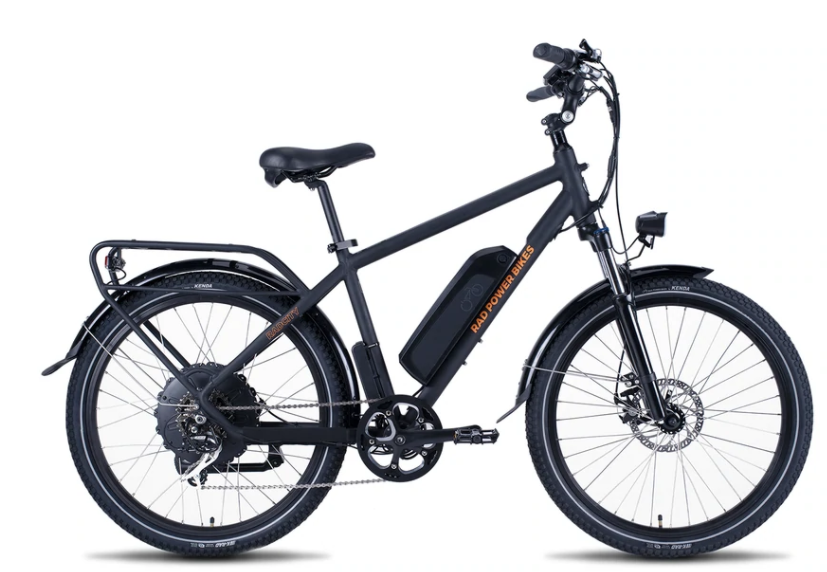
RadCity 4 $1600 (shipping extra)

Appears to be an all-round solid package and a good value from a company that has a great reputation for building quality e-bikes. I also like the battery modularity meaning I can swap the battery out for an off-the-shelf battery rather than being locked into a vendor’s proprietary battery design/configuration.

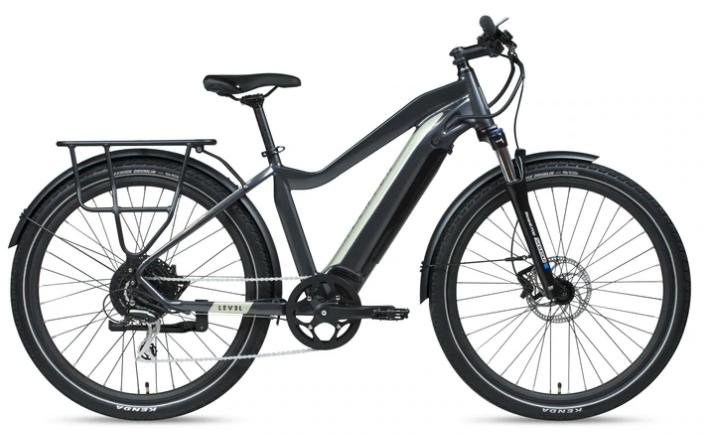
Aventon Level $1800 (free shipping)

Another solid package for a price that won’t break the bank.

Magnum Metro S $1900 (shipping appears to be included)

Another great package at not a too terrible price point.

So with all these great options, why bother adding yet another to the list? Answer: because you’ll notice that every one of these ‘reasonably priced’ e-bikes use rear-hub motors. I don’t really have anything against rear-hub motors because that’s all I have had the opportunity to ride to date, until my mid-drive build is complete. But the reality is, mid-drive motors cost more than rear-hub motors, so if you’re going to build a ‘low-cost’ e-bike, rear-hub motors are the way to go.

Number 6 – you have seen this one before:

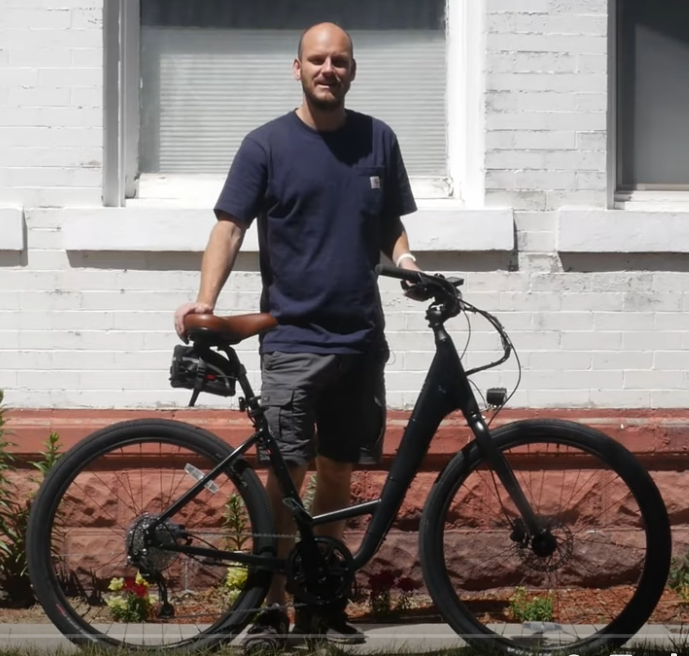
Contact JohnnyNerdOut and ask him to build you the Norco Scene step-thru e-bike he built for his in-laws. Including JohnnyNerdOut’s ‘build fee’, the whole thing should set you back about $2100 (plus tax and shipping). For this you get a custom built step-thru mid-drive e-bike that’s lighter than all but Roadster above. Note: JohnnyNerdOut would need to quote the actual price of this build. My number is a best guess, but I expect he would be delighted to build one of these beauties for you…

So that’s it. I really hope these last few posts help you decide which e-bike is best for your needs. Other than the Roadster piquing my interest, I am totally sold on building my own e-bikes. But I know this isn’t for everyone, so buying one already made is the next best thing!

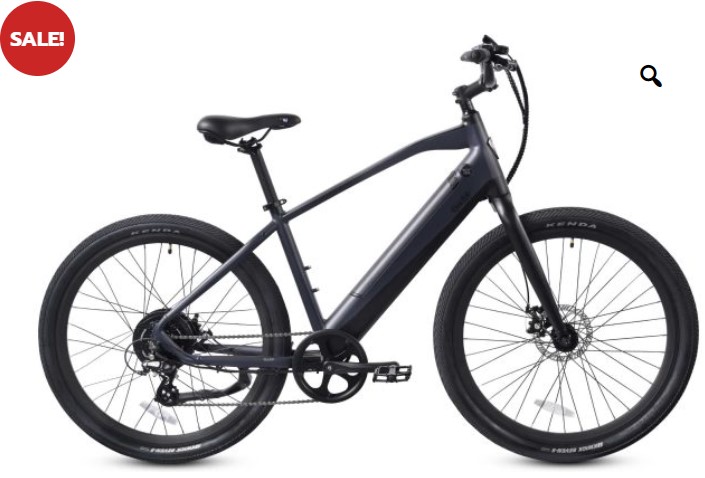
Update: This e-bike from Ride1Up just popped up on my radar and appears to be a really good value at $1,045 (includes free shipping). It’s the Core-5. Check it out…

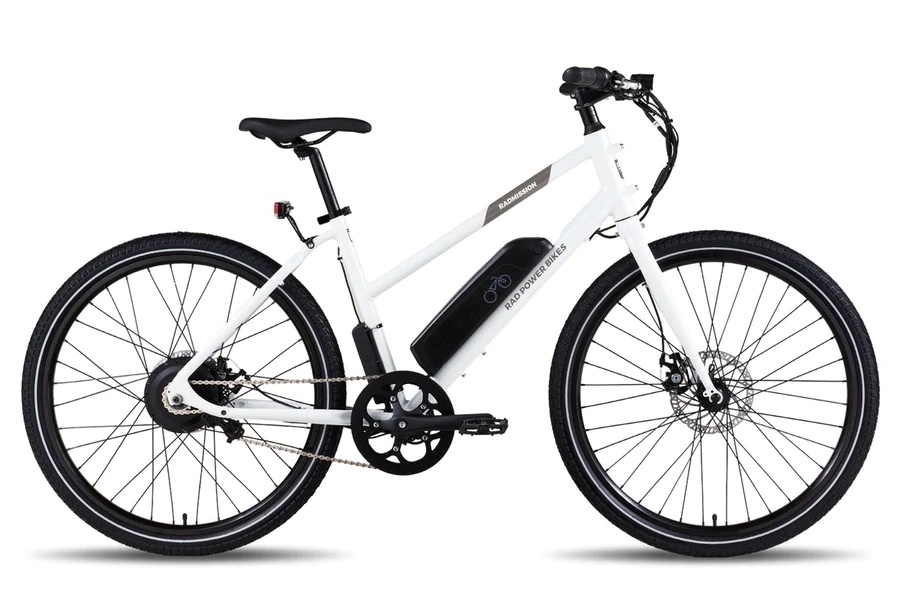
Update: Here’s another ‘reasonably priced’ e-bike I just discovered. This design is considered a ‘mid-step’ (not quite a step-thru). I like this one because it’s as simple as an e-bike can be. Note though, this is a single speed bicycle which means it’s not ideal for hilly rides. I like it because it’s simple, and for some, it might just be the perfect e-bike. Here it is: The RadMission 1 for $1200.

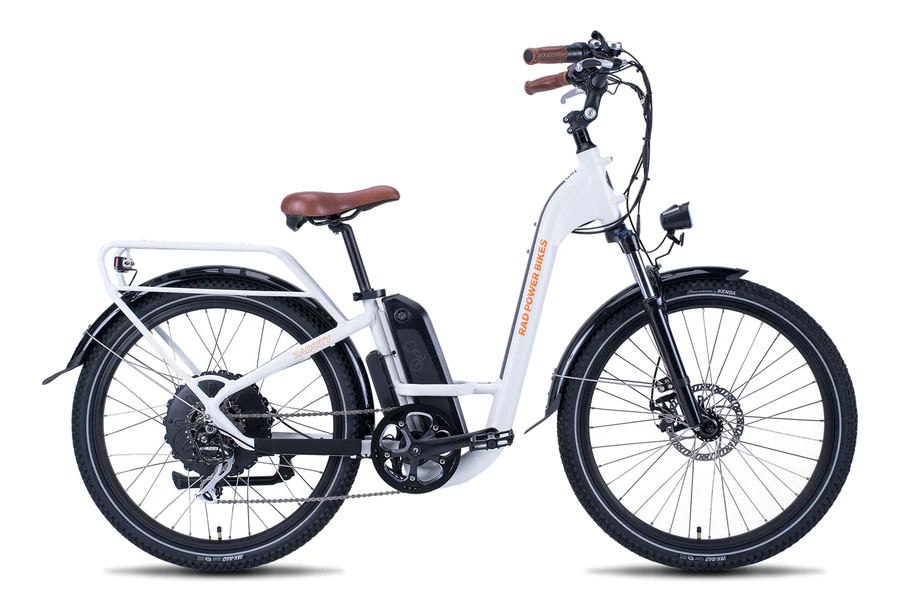
Need a really well designed step-thru? I would stick with Rad and consider the RadCity Step-Thru 3 Electric Commuter Bike for $1600.

Posted in Uncategorized | Comments Off on My Top 5 E-Bikes, plus 1

Best Intro to E-bikes Video

If you’re looking to buy versus build, this video from Logan Moy at c|net is a great place to start.

Electric bikes: The ultimate buying guide 2022

There are many types of e-bikes for a variety of riders. CNET’s Logan Moy goes over each one and talks about the features that make some better than others for certain riding styles. E-bike recommendations.

*CNET may get a commission from these offers.

Accessories

*CNET may get a commission from these offers.

More e-bike videos: https://www.youtube.com/playlist?list…

Related videos

Video Timeline:

And if that’s not enough info to help you decide, here’s another site that might help:

Electric Bike Reviews

Information overload…

How-To: Create meaningful data in the era of information overload | by Maja  Culum | Medium

Posted in Uncategorized | Comments Off on Best Intro to E-bikes Video

Don’t want to build your own e-bike?

No problem! Building isn’t for everyone. There are plenty of e-bikes on the market to choose from, but you must choose carefully. Below are a number of YouTube videos that will help you select the e-bike that’s right for you, and at a price point that won’t require a second mortgage. So first the videos, then I’ll provide some insight into the bike(s) I would choose if I wasn’t completely sold on building my own…

Best electric bikes for 2022 | Power up your cycling

Best ebikes available for 2021 – 2022 electric bike top picks

Top 5 BEST Electric Bikes in 2022

Top 5 Cheap Electric Bikes for 2022

And a few where price isn’t a consideration (which for me it always is):

2022 Best New Electric Mountain eBikes

Best 10 2022 Trail Electric Mountain Bikes

10 NEW E BIKES IN NOVEMBER

Then you might want to watch JohnnyNerdOut’s rants about ‘over-priced’ e-bikes one more time:

How much should these E-bikes cost? Cost breakdown on electric mountain bikes

What E-bike Manufacturers Don’t Want You To Know. Watch before buying an electric bike!

Choose wisely…

Posted in Uncategorized | Comments Off on Don’t want to build your own e-bike?

Programming Your LCD Panel

For builds 1 and 2, I’m using SW900 LCD panel to customize settings for the Voilamart controller. It’s a black and white panel with 15 screens to go through to get your system dialed in. Here are couple videos that go through the programming process for the SW900 (and I’ll provide some comments after):

Increase your Ebike’s performance in 5 minutes programming the SW 900 LCD

How to use your SW900 Display Functions

SW900 LCD Controller: How to operate the display

For build 3 I’m using the black and white Bafang C961 LCD display. Here are a couple videos detailing the programming steps for this display:

Bafang C961 Display Programming

Bafang C961 LCD Display for BBSHD

Bafang C961 Display TOTAL PROGRAMMING

C961 DISPLAY VIDEO AND MANUAL

Posted in Uncategorized | Comments Off on Programming Your LCD Panel

Build #3 – Additional Parts

One would think that when you spend a couple hundred bucks for a used bicycle, you wouldn’t have to put a lot more money into it to make it yours. But the reality is you should expect to put another couple hundred into a fairly well maintained used bike (before electrification). Below is a list of the parts I’m putting on the Gary Fisher bike, in addition to the $1200 Bafang kit. Before tax, these additional parts cost about $370.

Chain Ring

46t Lekkie Bling Ring BBSHD ($110.00)

Chain

KMC X9 9-Speed Chain 116 Links, Road/Mountain Bike ($25.00)

Seat

Bike Seat Most Comfortable for Men and Women with Soft Cushion Universal Fit for Exercise Bike and Outdoor Bikes ($17.99)

Fenders

BlueSunshine Adjustable Road Mountain Bike Bicycle Cycling Tire Front/Rear Mud Guards Mudguard Fenders Set ($9.99)

Pedals

MOHEGIA Bike Pedals,MTB Flat Bicycle Pedal Sets,9/16 Non-Slip Aluminum Replacement for Mountain BMX MTB-Pair ($13.99)

Toe clips

Zefal “Cristophe” Mountain Bicycle Half Toe Clip ($10.95)

Light

6v Headlight for Bafang BBSHD motor systems ($13.99)

Bell

Accmor Classic Bike Bell, Aluminum Bicycle Bell, Loud Crisp Clear Sound Bicycle Bike Bell ($5.99)

Mirror

Hafny Bar End Bike Mirror, Stainless Steel Lens, Safe Rearview Mirror ($14.99)

Hand grips

SAPLIZE Bike Handlebar Grips, Blue, Ergonomic Design, Aluminum Double Lock-on, Mountain Bike Grips ($9.99)

Charger (have already)

Luna Charger 48V Advanced 300W Ebike Charger ($99.95)

Adapter

12v DC Power Cord 5.5mm x 2.1mm Male Plug to Pigtail Cable Adapter 6″ ($2.99)

Side stand

BV Alloy Adjustable Rear Side Non-Slip Bicycle Bike Kickstand for 24″ – 29″ Mountain Bike/Road Bike/BMX/MTB ($17.99)

Tail light

BV Rear Bike Tail Light 2 Pack, Bicycle LED Rear Lights, Easy to Install for Cycling Safety Flashlight ($10.98)

Tires

Kenda K838 Slick Wire Bead Bicycle Tire, Blackwall, 26-Inch x 1.95-Inch (2) ($50.42)

Tubes

VeloTubes Premium Mountain Bike Inner Tubes – 4 Pack – Select Your Size (26″, 27.5″, 29″) – Presta (French) Valve ($19.95)

Rim Stips

Okared 2 Pack Bicycle Rim Strip Rim Tape (26″ x 20mm) ($8.99)

Tube Protectors

Slime 20093 Tube Protector, One Size Fits Most (Pack of 2) ($11.99)

Brake Pads

Hapleby 4PCS Premium Bike Brake Pads, Professional Mountain and Road Bicycle V-Brake Pads, Bike Brake Blocks Kit, for Free Hex Wrench ($7.99)

Thread lock

Permatex 24200 Medium Strength Threadlocker Blue ($5.00)

It’s gonna look spectacular when it’s done, I promise!

Sneak Peek

Posted in Uncategorized | Comments Off on Build #3 – Additional Parts